 Indonesia
 English
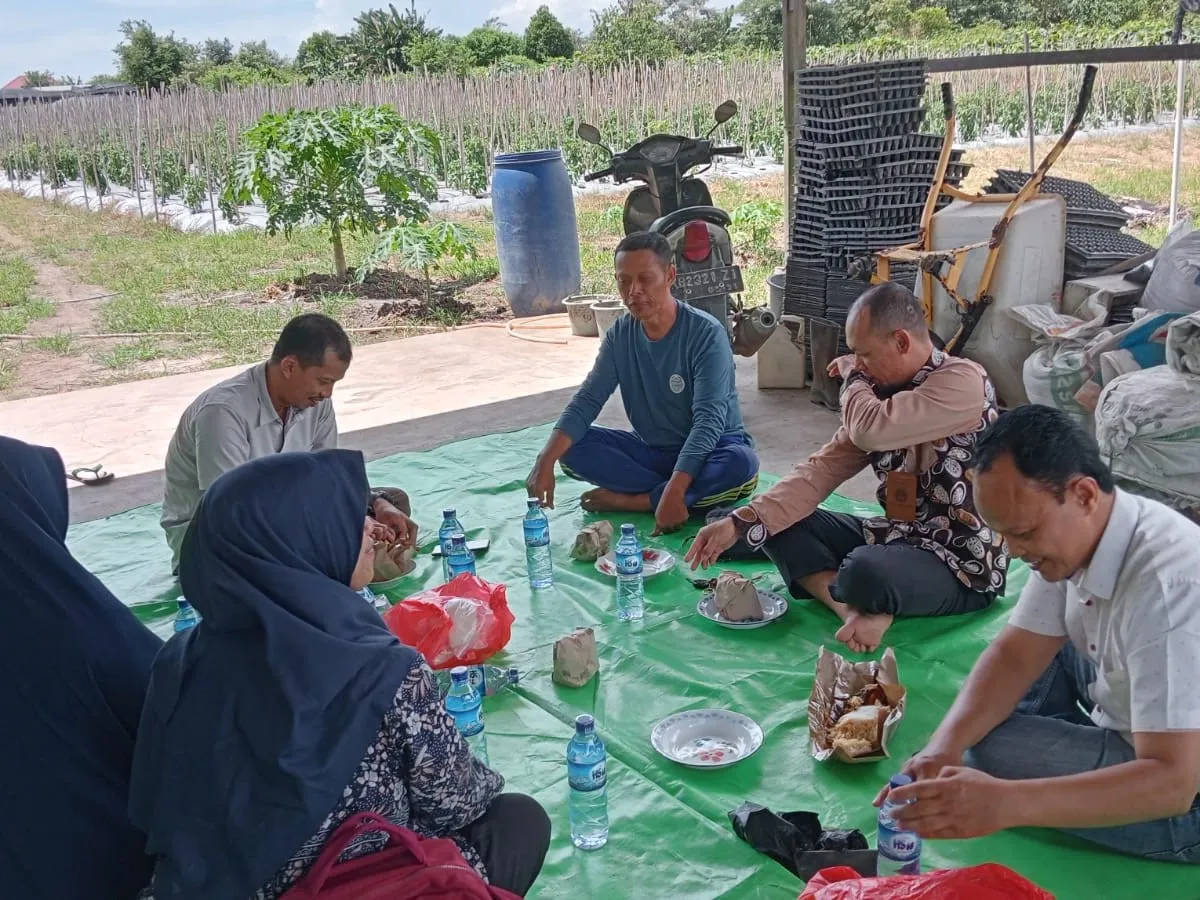
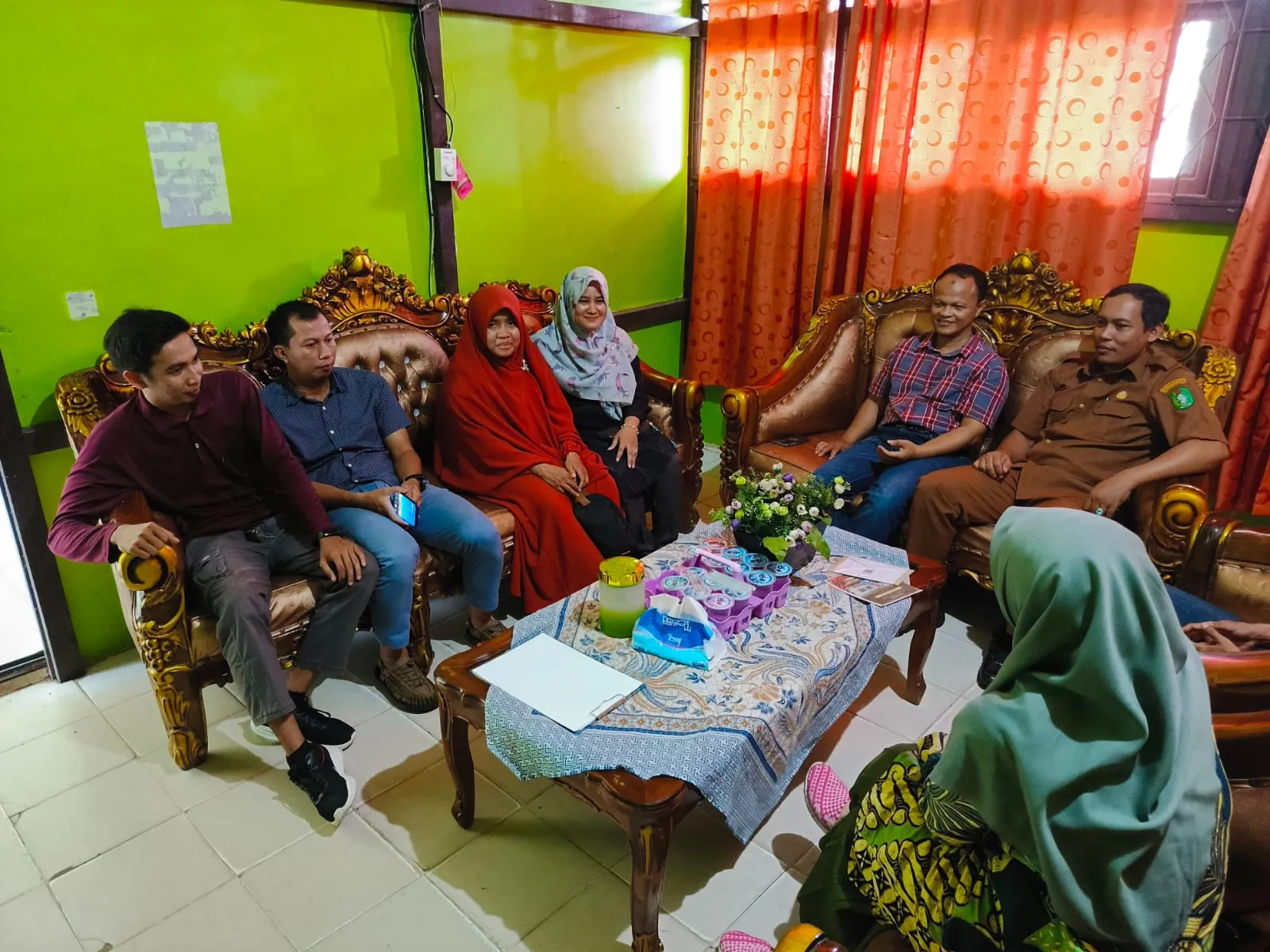
Ketapang, 19 May 2025 – The Partnership Ecosystem Strengthening Program for Regional Potential-Based Innovation Development is gaining momentum once again in Ketapang Regency. In 2024, Politeknik Negeri Ketapang (Ketapang State Polytechnic) (Ketapang State Polytechnic, Politap) was entrusted to conduct strategic research under the gold scheme of the Katalisator Kemitraan Berdikari program entitled “Increasing Horticulture Productivity and Quality on Marginal Land through the Implementation of Composting Machines and Solar-Powered Smart Irrigation.”
This program is a synergistic collaboration between Politeknik Negeri Ketapang and several local partners, namely the Putra Mandiri Farmers Group, SMK Negeri 1 Muara Pawan, SMK Negeri 2 Ketapang, and the Dapur Epong Ema MSME. This research activity will run for one year and is funded by the Indonesia Endowment Fund for Education (LPDP) and the Ministry of Education, Culture, Research, and Technology (Kemendikbudristek).
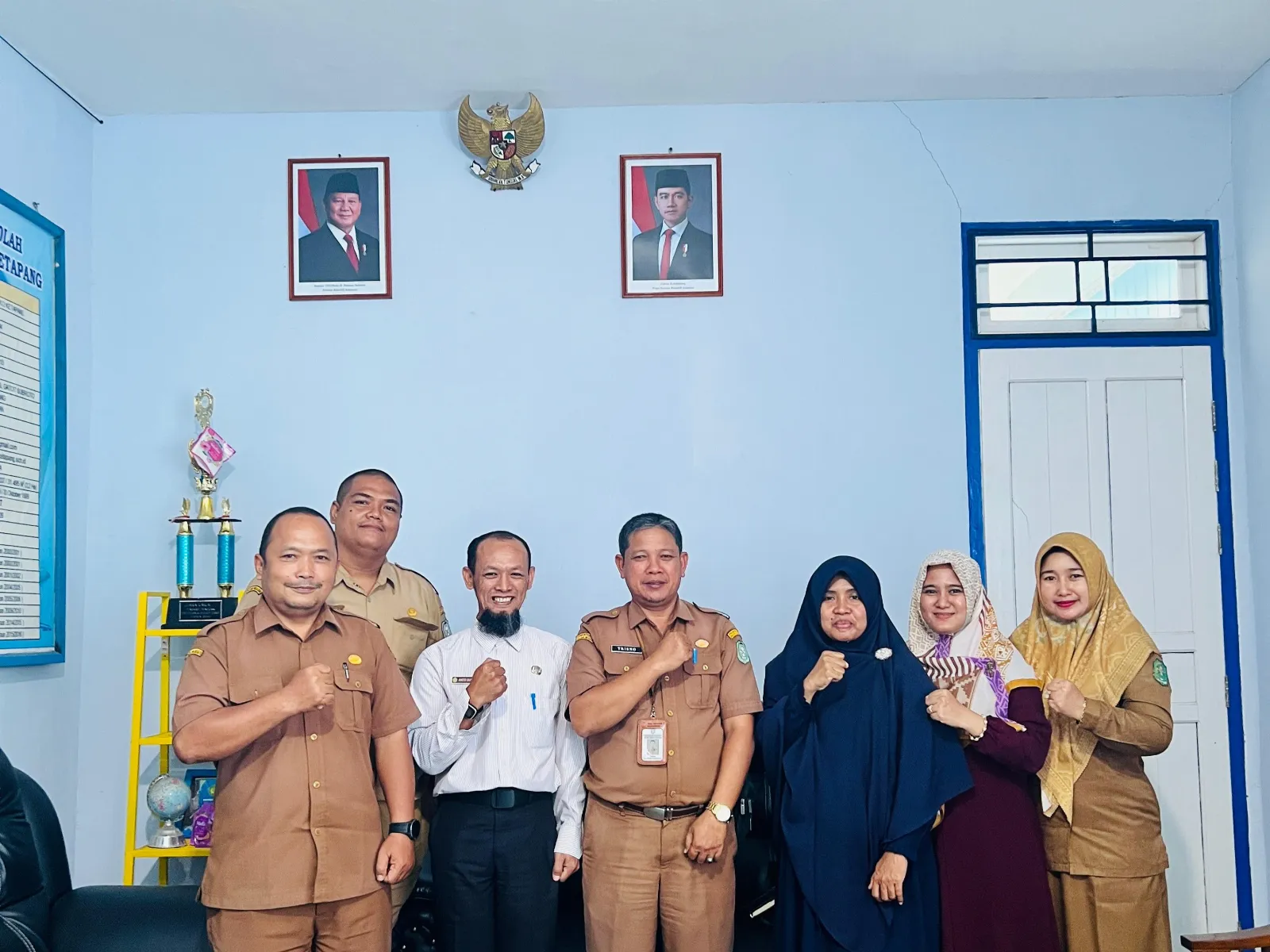
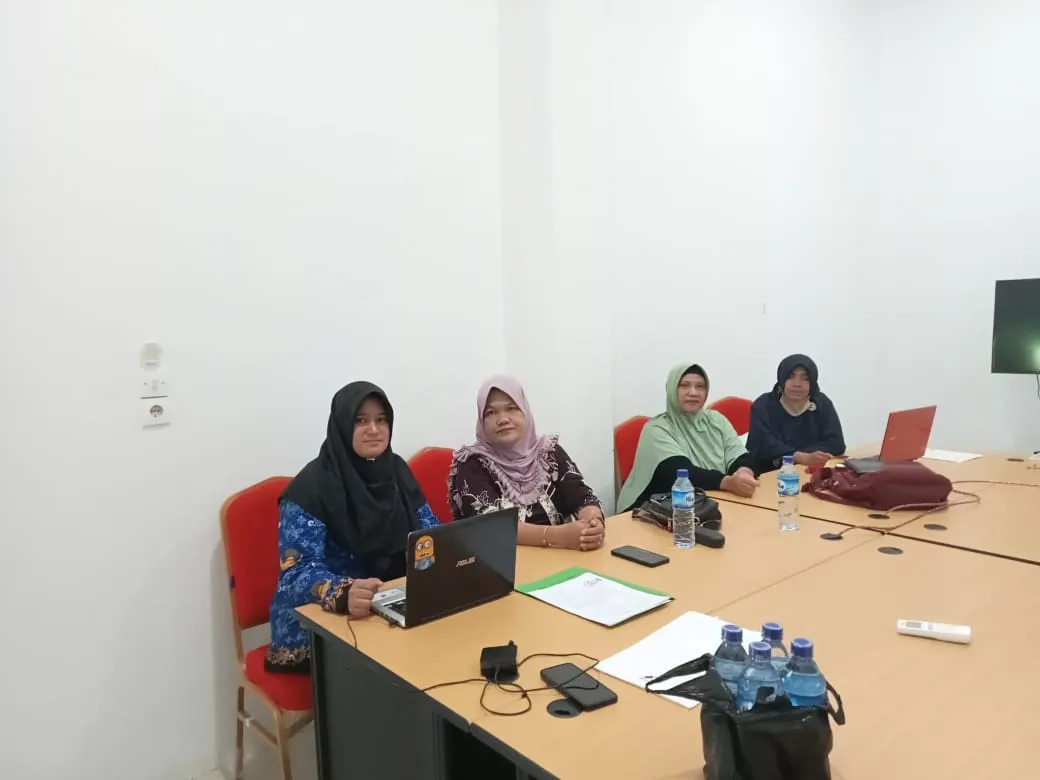
One of the primary focuses of this activity is the production of organic compost based on agricultural waste such as oil palm fronds, rice straw, banana stems, bran, and livestock manure. This effort aims to create sustainable agricultural solutions by utilizing local resources that were previously underutilized.
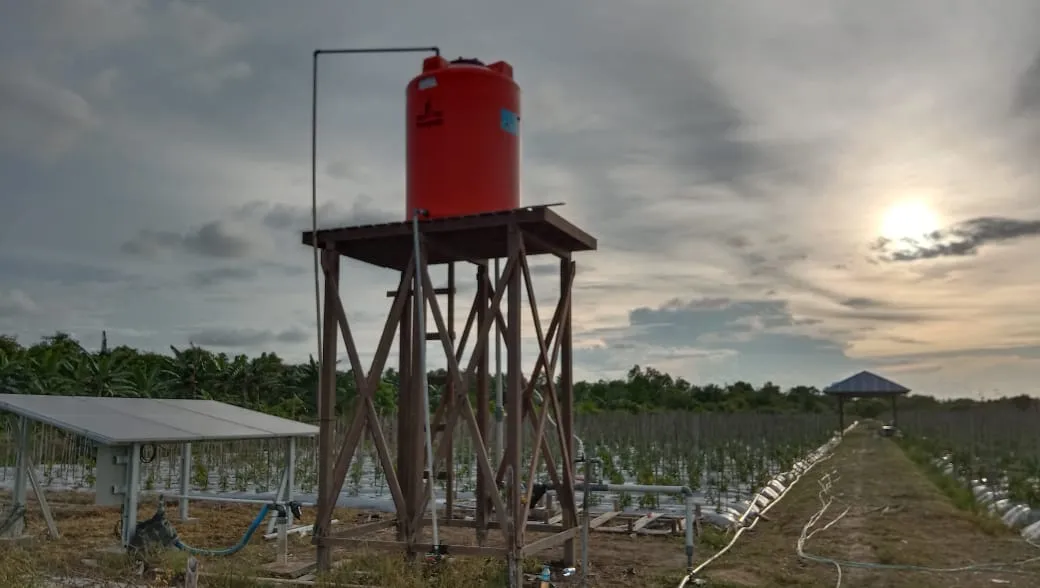
In addition, technological innovation is applied through a solar-powered smart irrigation system capable of monitoring soil conditions—including soil moisture, temperature, and pH—and regulating watering automatically based on real-time data collected. This technology is expected to improve water-use efficiency, reduce farmers' workload, and consistently boost crop yields.
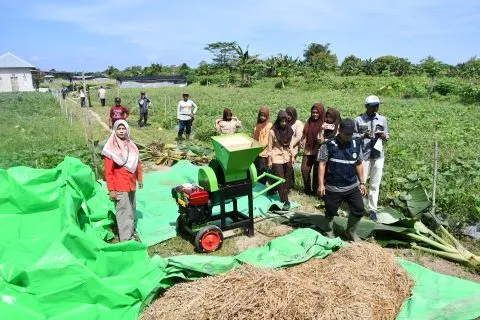
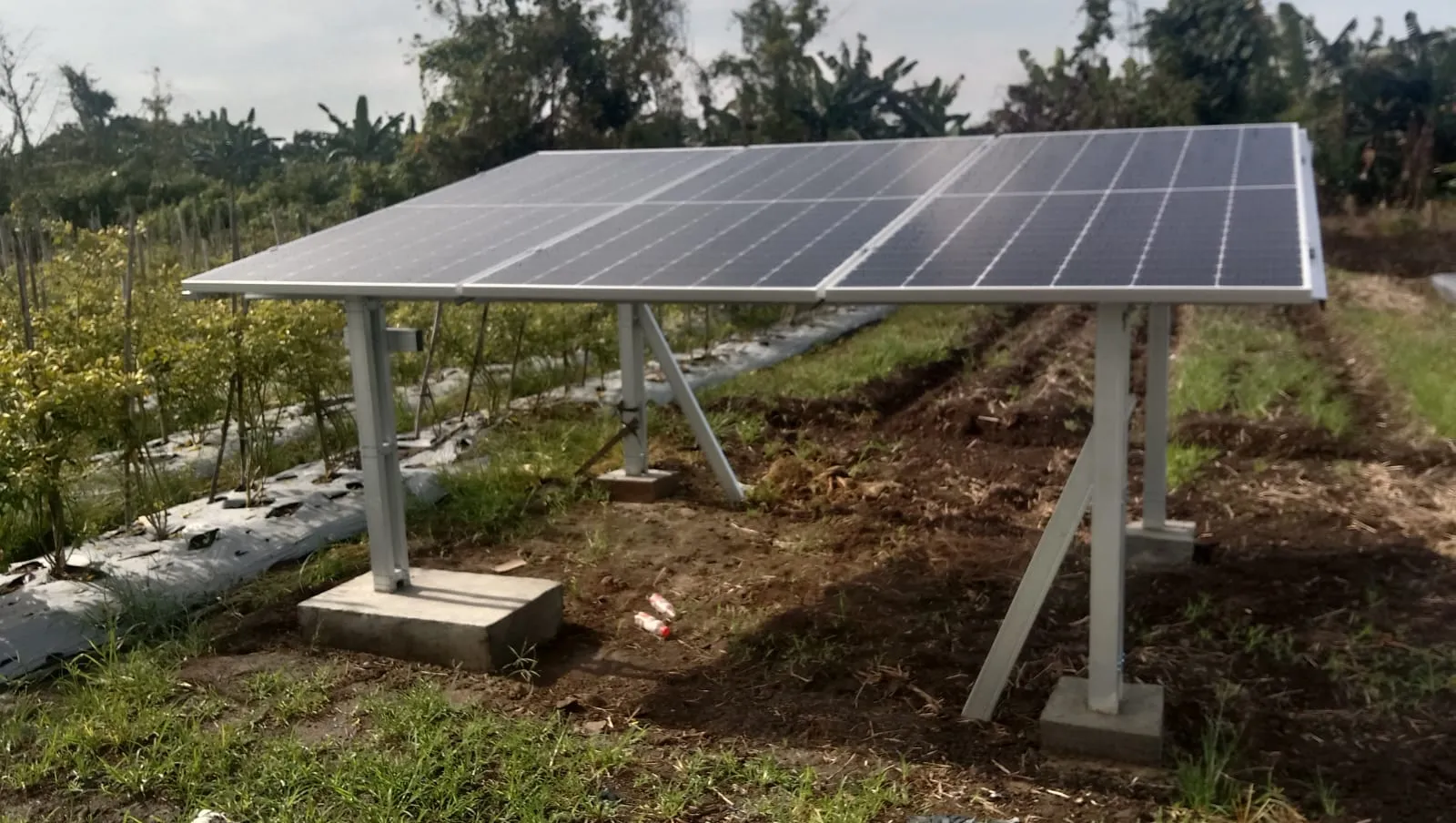
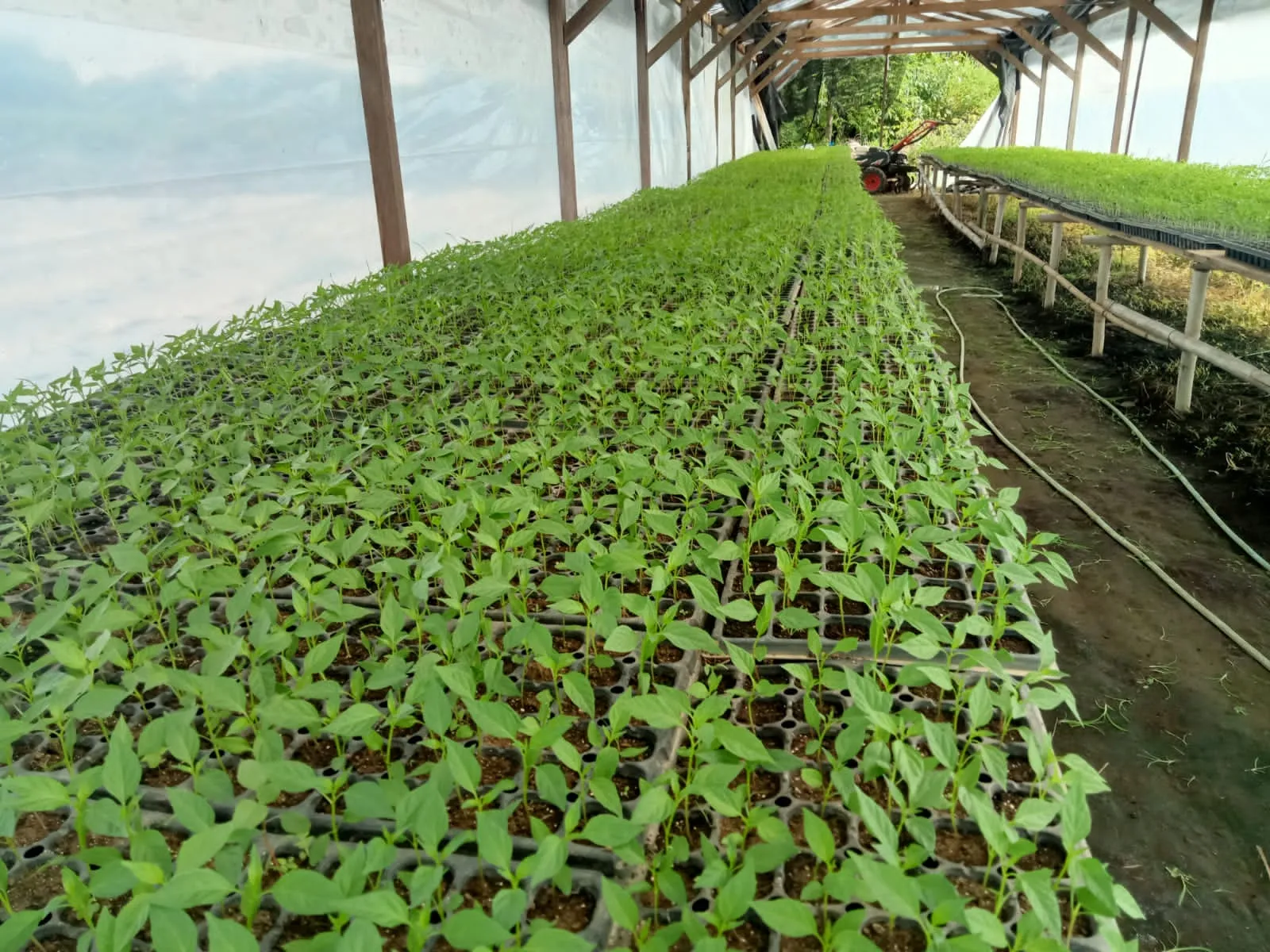
So far, land preparation, nursery, and harvesting processes have been carried out for pumpkins. In the near future, specifically in June, a chili harvest and the processing of its derivative products are scheduled as part of the downstream processing of agricultural produce.
Through this activity, Politeknik Negeri Ketapang hopes to drive innovation based on local potential and strengthen partnership networks between educational institutions, farmers, businesses, and communities in building sustainable food security. (finn)