 Indonesia
 English
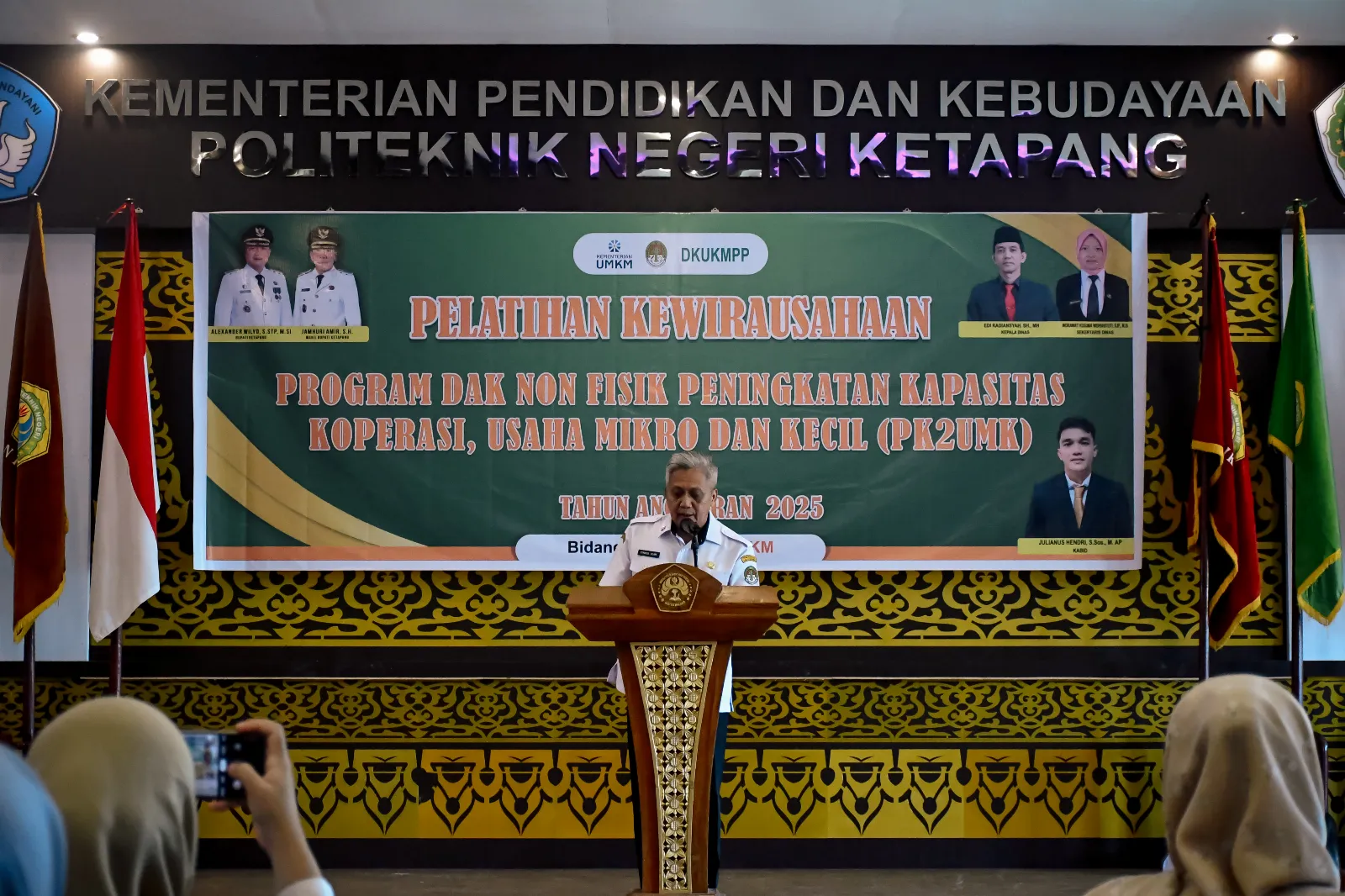
Ketapang, 9 July 2025 — Politeknik Negeri Ketapang (Ketapang State Polytechnic) has reaffirmed its commitment to supporting the development of the local micro, small, and medium enterprise (MSME) sector. This time, Politap fully supported the organization of the Capacity Building Training for Cooperatives, Micro, and Small Enterprises (PK2UMK) held by the Ketapang Regency Office of Cooperatives, SMEs, Trade, and Industry, funded through the Non-Physical Special Allocation Fund (DAK) for Fiscal Year 2025.
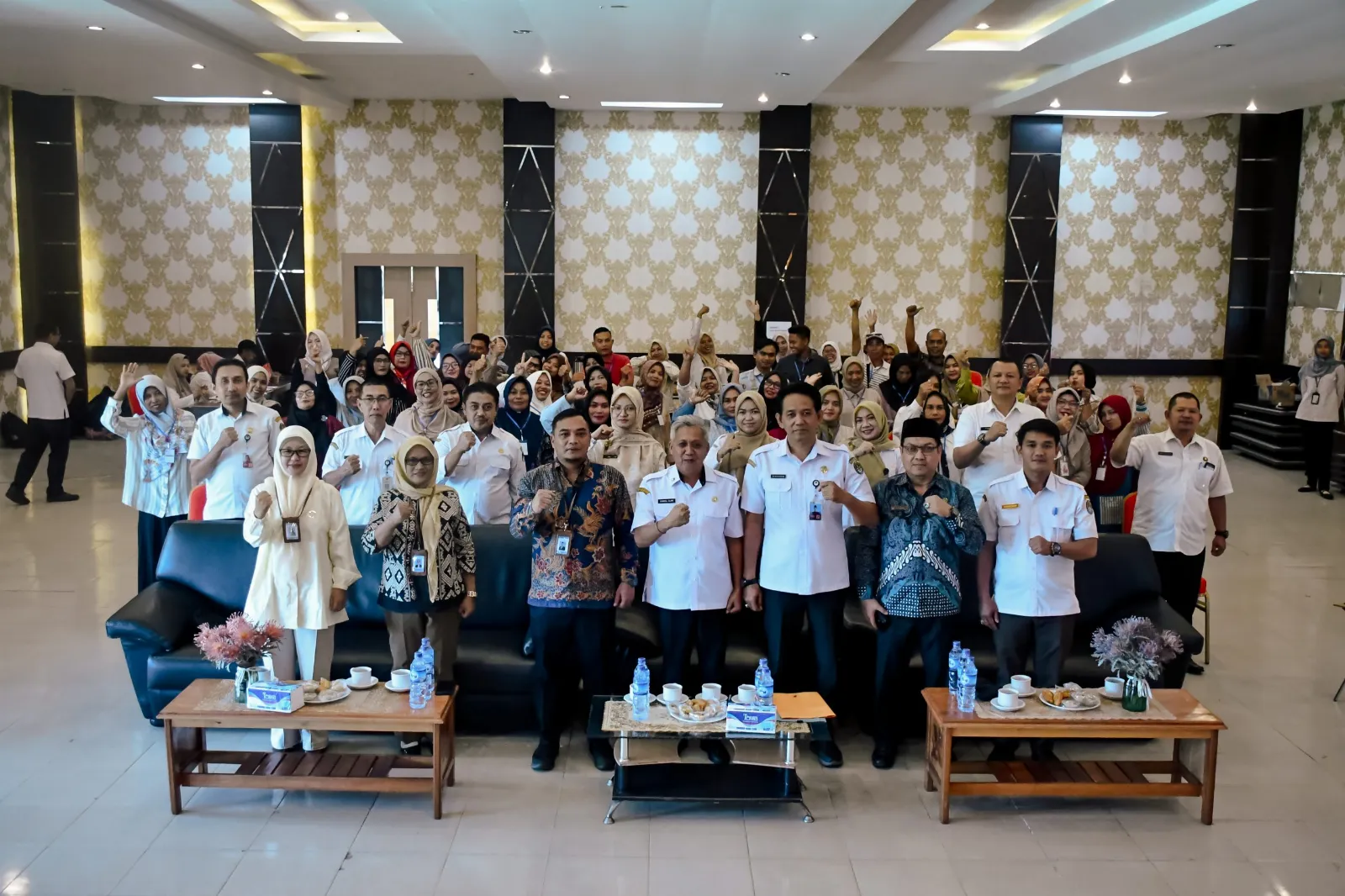
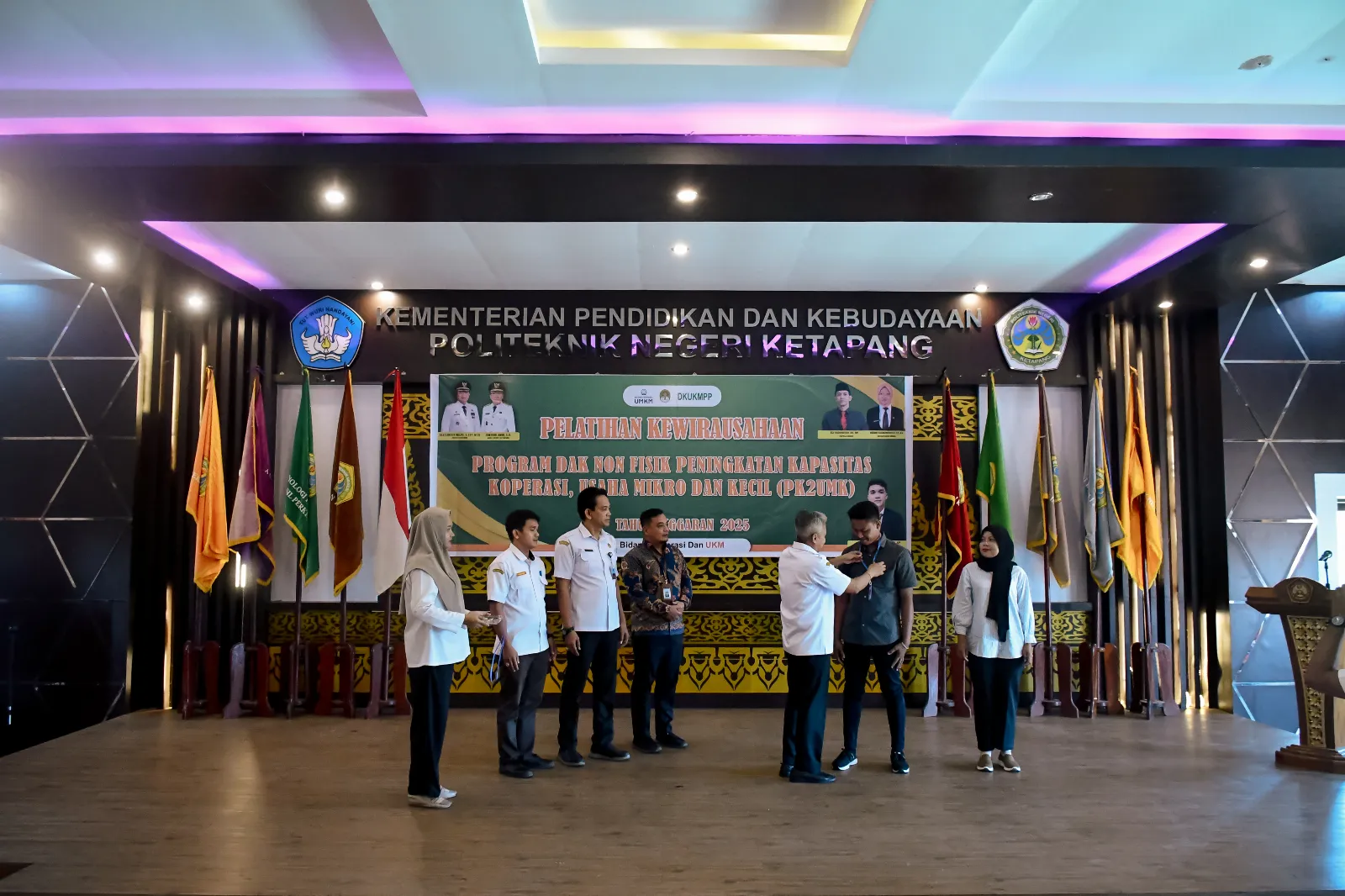
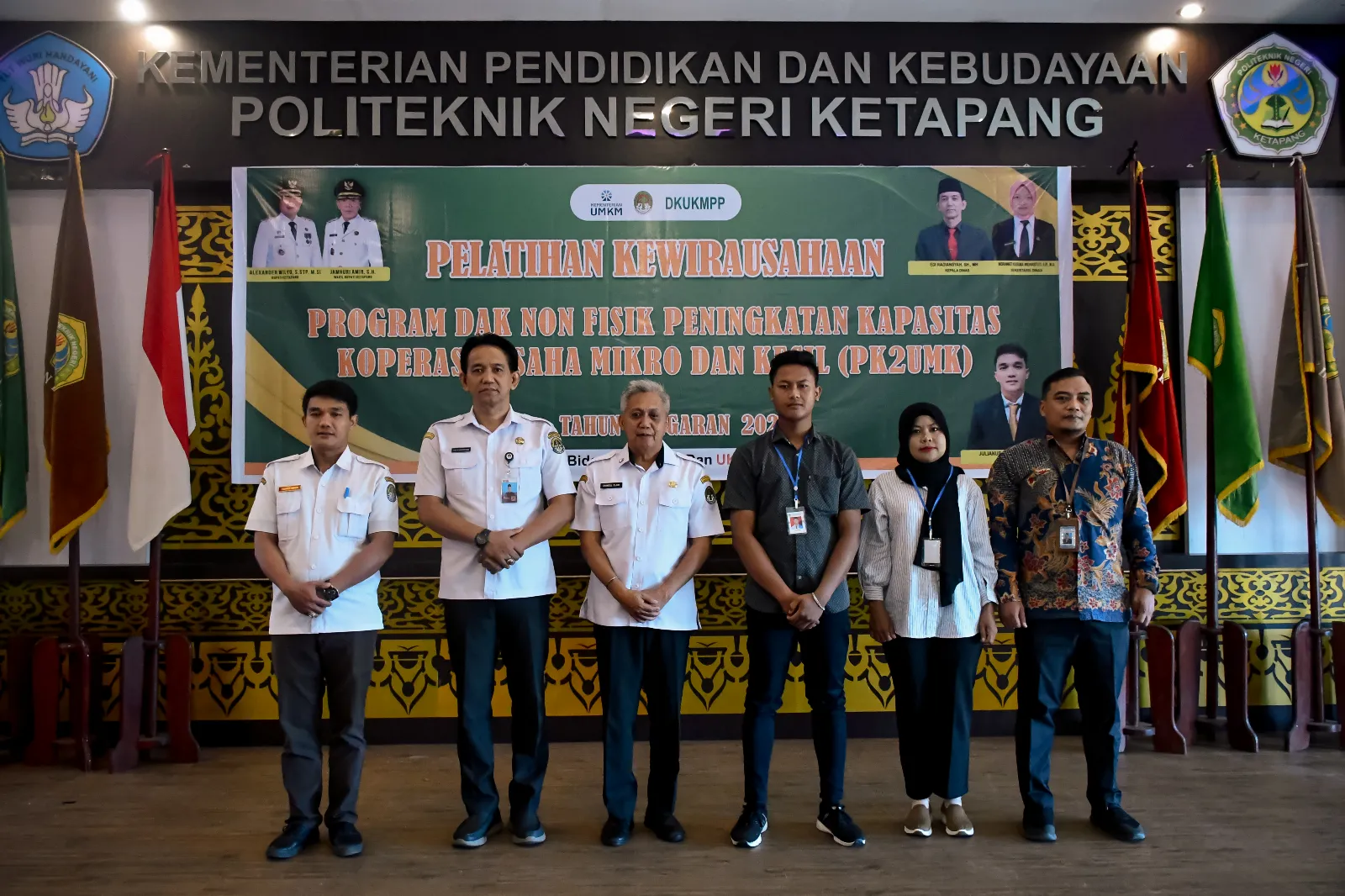
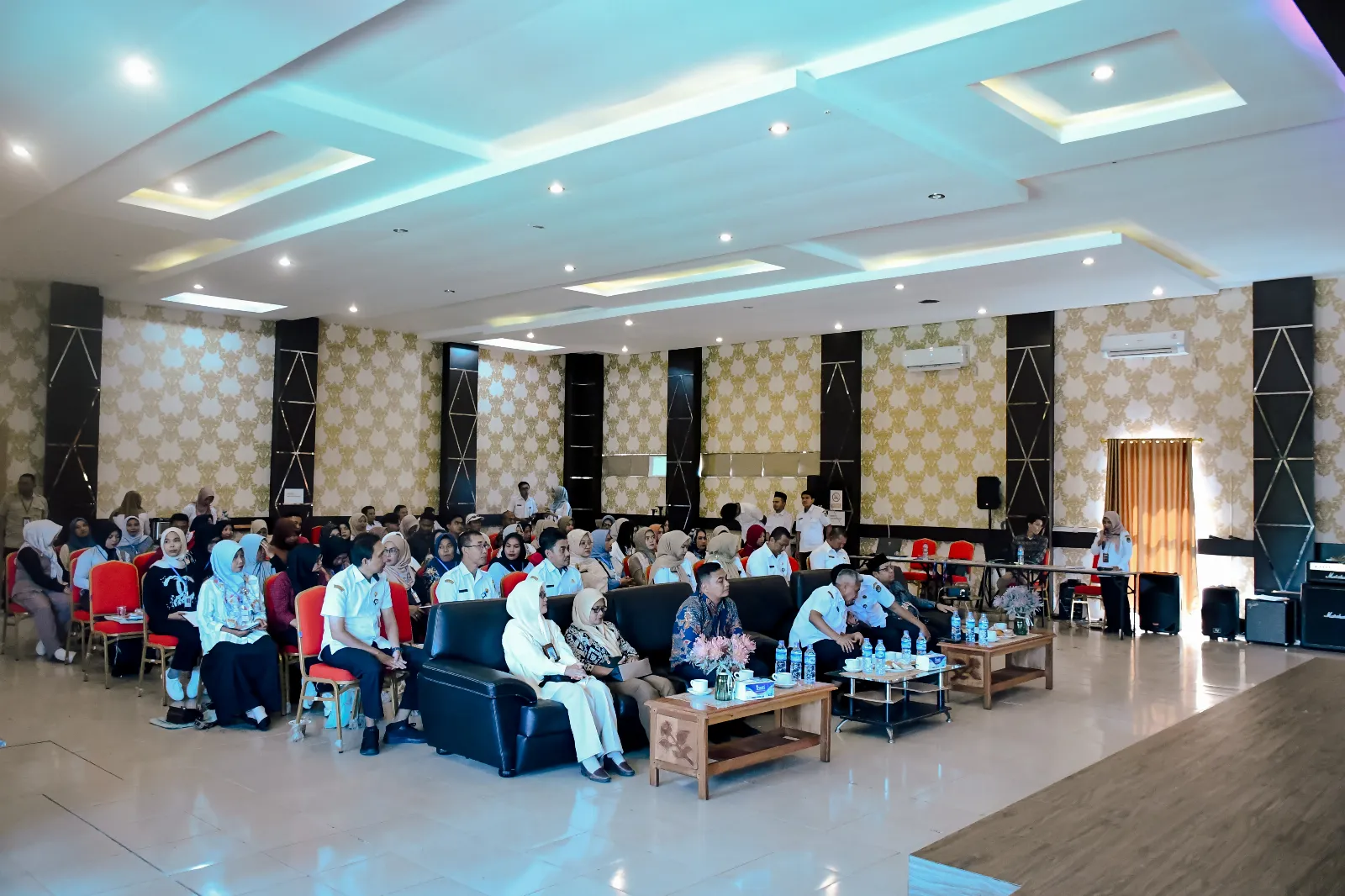
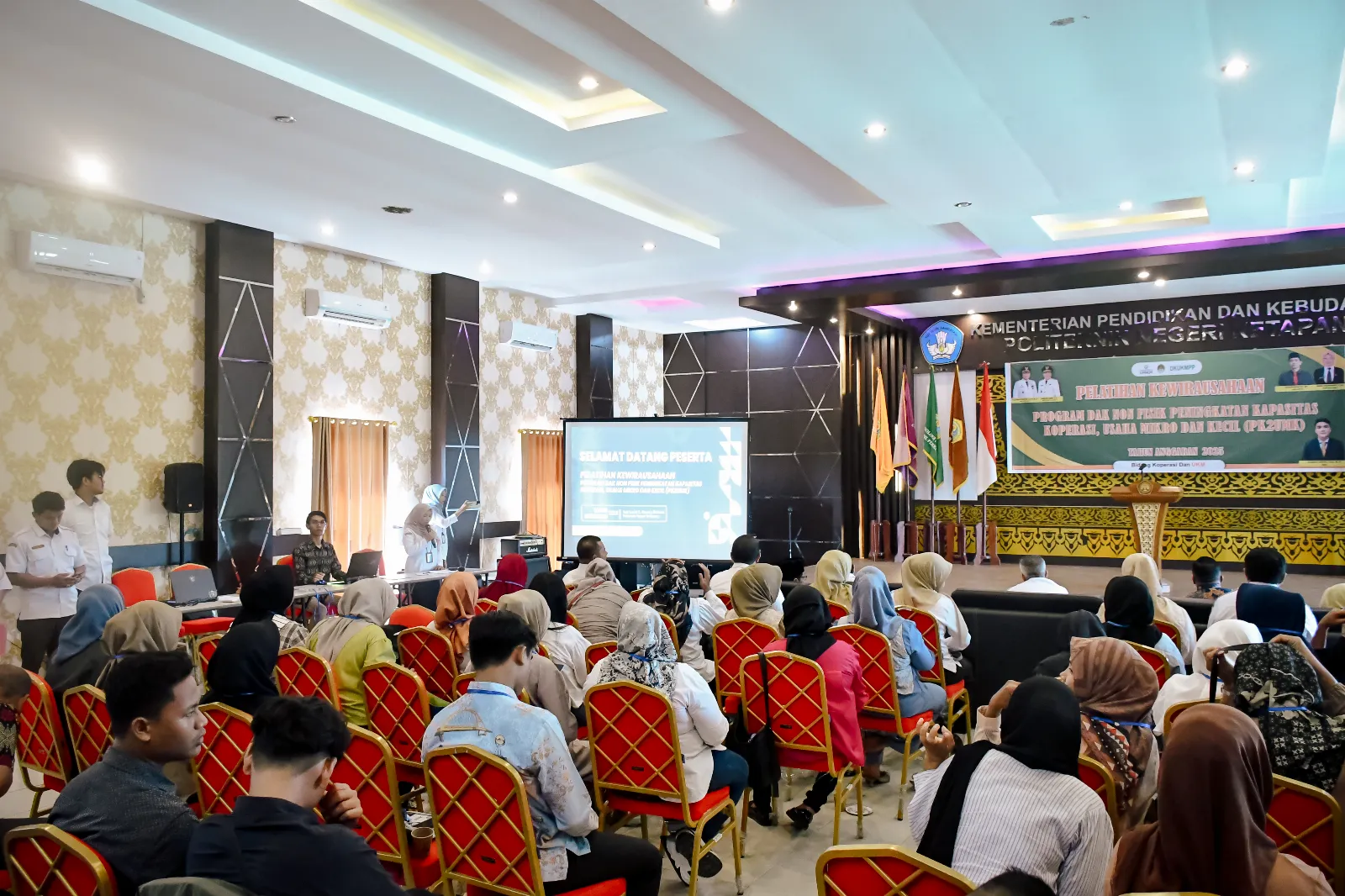
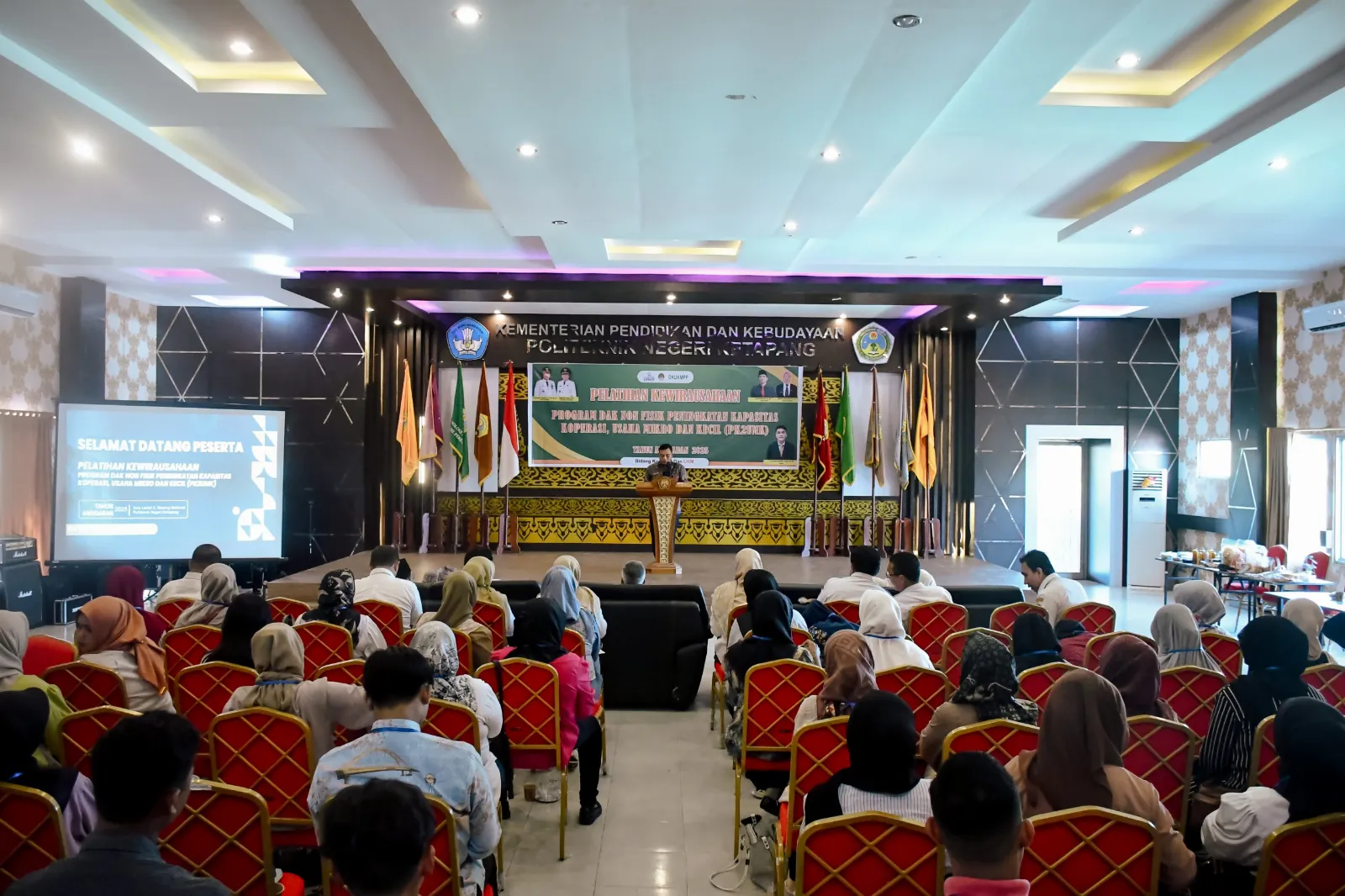
The training program was officially opened on Wednesday, 9 July 2025, at the Politeknik Negeri Ketapang Hall. Attendees at the opening included representatives of Forkopimda, local government officials, and participating MSME entrepreneurs.
Politap not only provided the hall facilities for the event, but also played an active role in delivering training content. Through Assignment Letter Number 203/PL39/PP.00.02/2025, the Director of Politap assigned several lecturers as speakers and instructors across various training sessions, including entrepreneurship, digital marketing, quality management, financial literacy, as well as appropriate technology and market access.
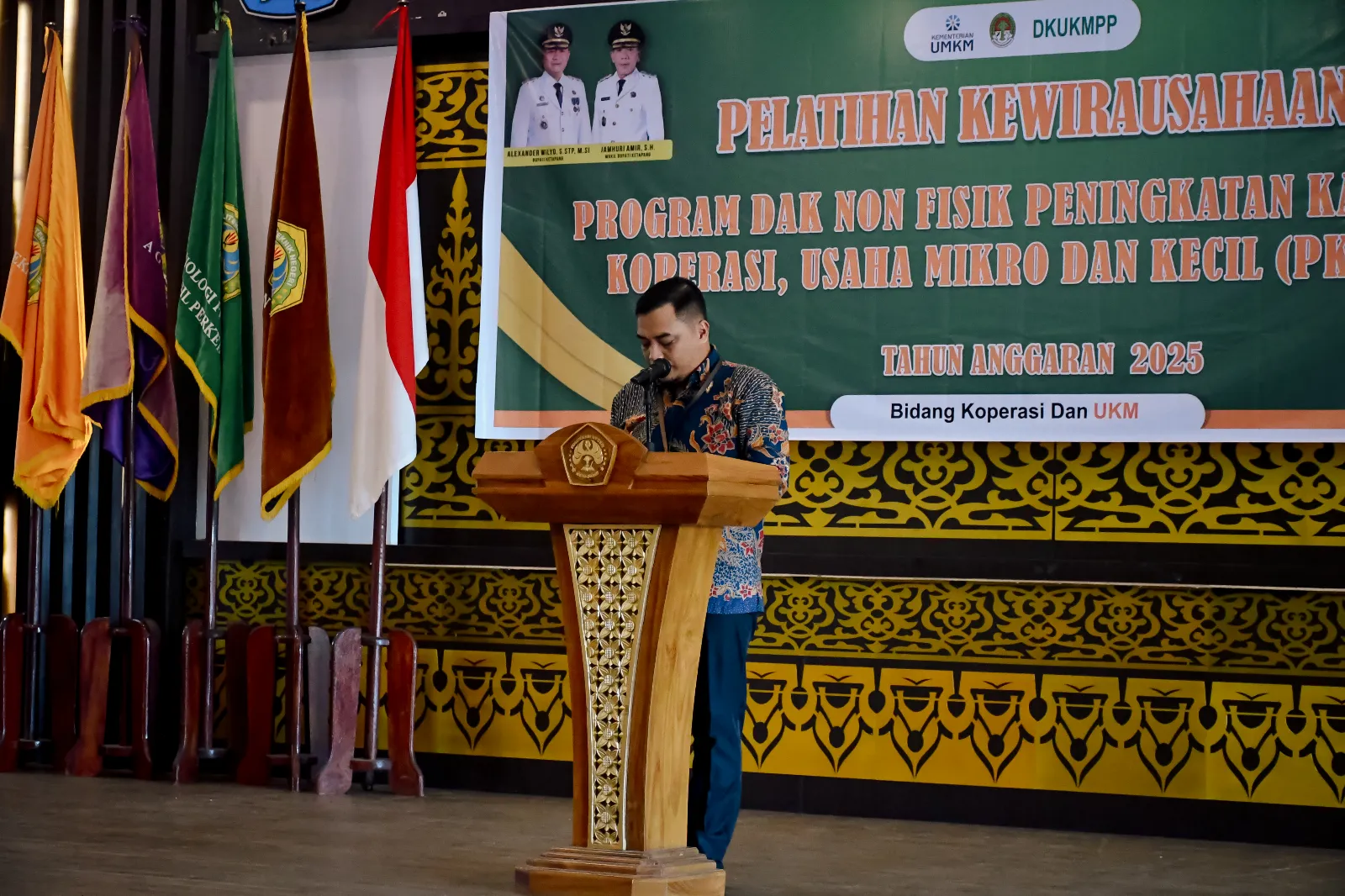
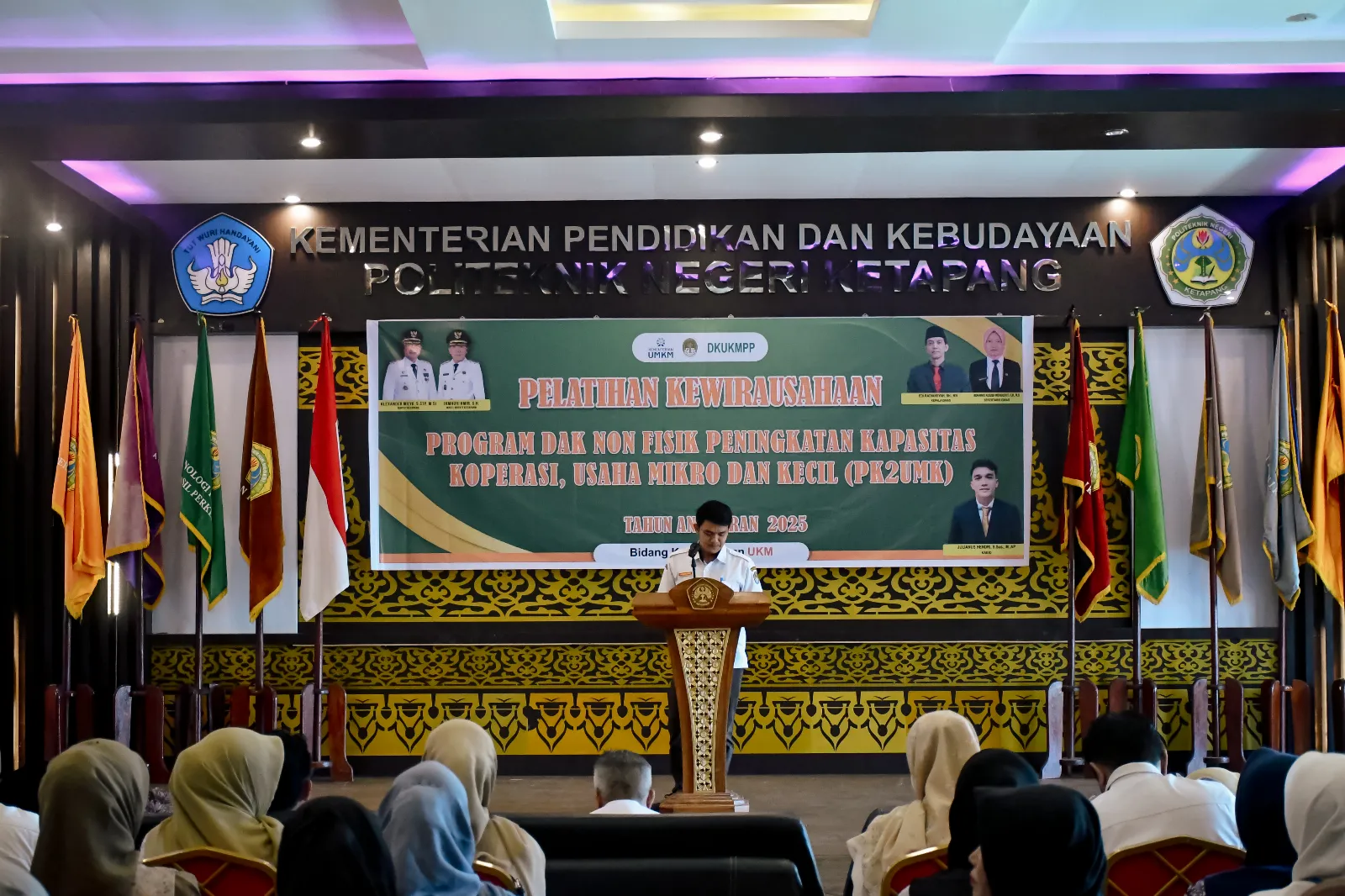
In his remarks, Director of Politeknik Negeri Ketapang, Irianto SP, S.ST., M.MA, expressed his appreciation for the strong cooperation established between the vocational education institution and the local government.
“The organization of this training is tangible proof that synergy between vocational education and local government is key to strengthening the competitiveness of MSMEs in our region. We believe that through this training, participants will gain not only practical knowledge and skills, but also renewed momentum to grow sustainably,” he said.
He also emphasized that Politap is always open to serving as a strategic partner in regional human resource development, expressing hope that such collaborations will continue and generate beneficial new innovations.
Through this collaboration, it is hoped that the capacity of MSME actors in Ketapang will continue to increase, both managerially and technically, enabling them to compete more broadly in regional and national markets. (Finn)